

Breast Augmentation


A tummy tuck, or Abdominoplasty, is a very common cosmetic surgery procedure. There are a number of reasons why men have a tummy tuck procedure, including genetic factors and major weight loss can contribute to the development of loose skin, fat deposits, and stretch marks in the abdominal region.
Surgical Procedure
To smooth out the abdomen, the surgeon makes a low abdominal incision across the pubic area, from hip to hip, and sometimes down to the navel. The excess skin is then pulled over the abdomen, cut and removed. The navel remains intact and attached to the abdominal wall, so the surgeon must make a new opening that is in proportion to your new stomach.
If loose skin and muscle weakness are limited to the area below the navel, a slightly different procedure – which usually leaves a smaller scar and no scarring around the navel – may be performed.
The abdominoplasty can be combined with liposuction to help reduce the areas of fat accumulation, and patients who are obese or have excessive loose skin may need a modification surgery called a Panniculectomy. This procedure tightens loose abdominal skin and repairs weak abdominal wall muscles.
Hospital Admission
- 3-5 nights
Duration of Operation
- Four to six hours with General anaesthesia
Pre Operative Care
Before surgery, please inform your surgeon of any allergies, medical conditions, and any medications you are taking (prescription and non-prescription). To eliminate the chance of post op. If you are bleeding, you should avoid aspirin and any medication containing aspirin or ibuprofen for 2 weeks prior to surgery.
You should also not smoke for 2 weeks prior to surgery, as smoking can affect your reaction to the anaesthetic and slow down the healing process. Patients who suffer from hypertension must inform the surgeon prior to surgery.
Post Operative Care
After the surgery, you will have to stay in bed for approximately 3 days. Whilst in bed, you will be advised to lie with your legs in a bent position to help reduce the strain on the abdominal area. The abdomen may be dressed with bandages, and you will experience some pulling across the abdomen. A light surgical support garment must be worn for approximately 3 months to support the tightened area following surgery.
You may not be able to stand straight for some time due to the pulling, but it is important that you start walking for short periods as soon as possible after surgery. This will help to normalise the blood flow. Surface sutures are removed after approximately 5 days, and deeper sutures may remain for up to 7 days before being removed.
Your surgeon will give you directions on bathing and changing your dressing. The extent of the post-operative swelling and bruising depends on whether you tend to bruise or swell easily. Every person is different. It is important not to engage in strenuous activity after surgery to avoid unnecessary strain on the wound. Tension can stretch your incisions and increase scarring. Your surgeon will discuss with you when you can return to your normal daily activities.
The recovery period is usually about 2 weeks. While there may still be some swelling and bruising, most people are happy with the result and return to work after approximately 4 weeks. You should consult your surgeon as to when you may return to work.
Risks and Complications
Risks are inherent to any surgical procedure. The most common risks are swelling, bruising, bleeding, infection, fluid accumulation, scarring, numbness, or changes in sensation in the affected area – these should improve after the nerve has repaired itself, which may take up to 12 months.
The most common risk particular to this surgery is long and heavy scarring. The incision may heal slowly, causing crusting and scabbing along the scar. As this is considered a major operation, you may also suffer the risk of blood clots. All precautions are taken to avoid these risks.
Once the healing process is complete, it is essential to maintain a balanced diet. An unhealthy diet will inevitably lead to weight gain, which can stretch the skin and increase the risk of severe, permanent scarring.
In most cases, abdominoplasty produces excellent results, and with a balanced diet and regular exercise, the results are long-lasting.
milestones
A trip down Memory Lane

2013 /
Glow opened as a small, single location studio with one mission: to help people feel confident in their own skin.
2016 /
With a growing client list and team, we expanded our services to offer more personalized treatments and experiences.
2019 /
We opened our second location, bringing our signature vibe and care to a whole new neighborhood.
2025 /
Now with three locations, a loyal community, and a reputation for next-level results, Glow is more than a salon — it’s a movement.
tHIS IS OUR WHY
We’re here to remind you of what’s already there.
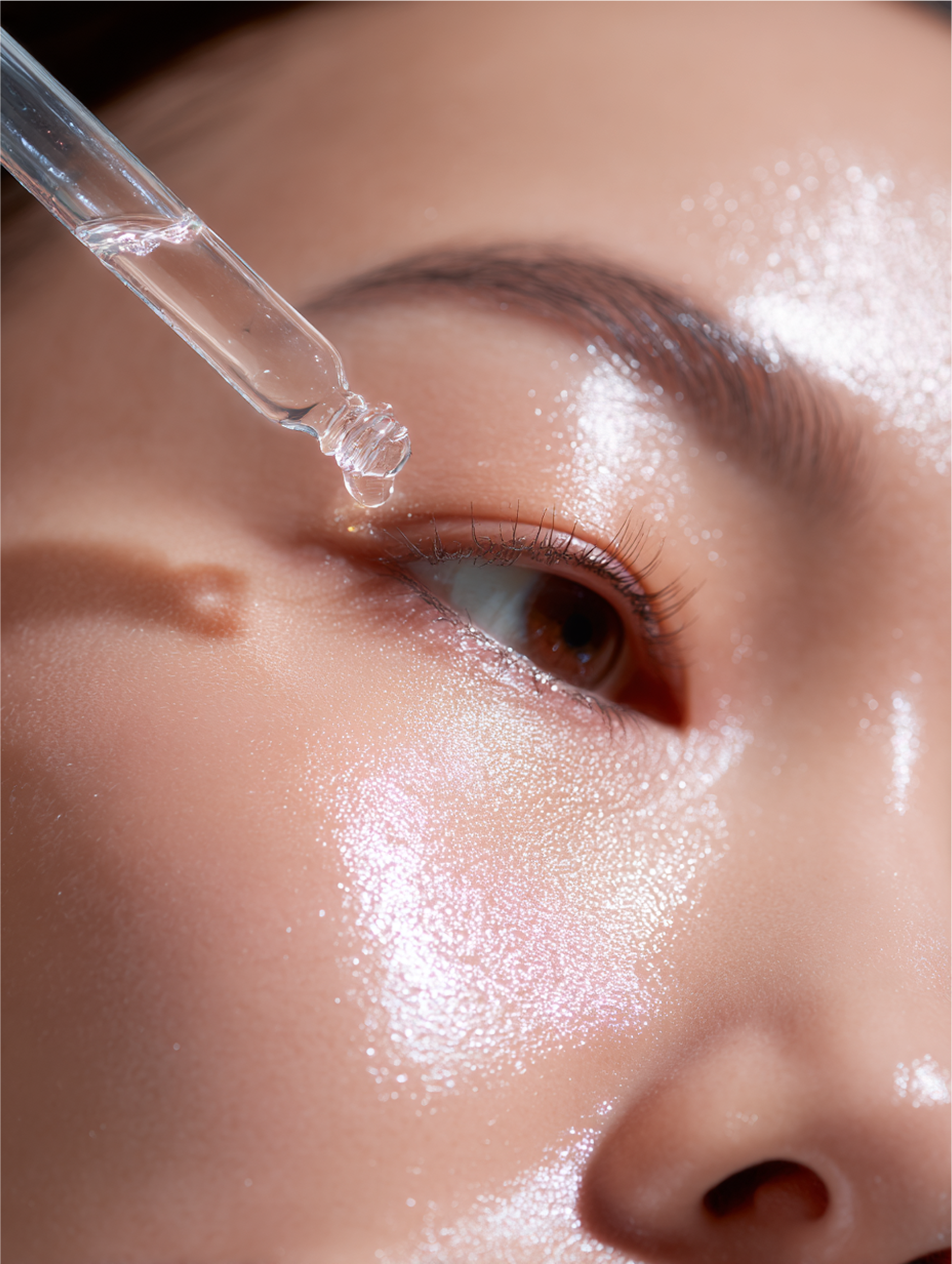
We’re not in the business of changing faces — we’re here to reflect back what makes you feel most like you.
Every treatment is a quiet act of care, every appointment a space to breathe, soften, and glow.

1
What we believe
We stand for beauty that feels real and shows real results.
We choose thoughtful over rushed. Intentional over trendy. Real over filtered. We believe in confidence that isn’t loud but is undeniable.
2
What we try to deliver
A skin that feels like home, and in a version of beauty that is deeply yours.
We use organic, dermatologically tested products to deliver impactful treatments that are safe and healthy for your body.
tESTIMONIALS
Hear it from our clients

“The vibe, the service, the results — everything at Glow just hits different. I walked out feeling like the best version of myself (and my hair has never looked better). Already booked my next appointment.”
Maya L.

“The space is stunning, the team is beyond talented, and somehow they just get what you’re going for. My lashes? Flawless. My nails? Art. 10/10.”
Jade R.

“From the second you walk in, it feels special. Everyone is so welcoming and professional, and they really take their time to make you feel amazing. I left glowing — inside and out.”
Alex P.