
Breast Augmentation


Breast augmentation is a cosmetic surgery procedure for women to increase breast size, which involves placing breast implants under the breast tissue or chest muscles.
It is a cosmetic surgery procedure that helps women who are dissatisfied with the size of their breasts. It also assists women who have experienced changes in the appearance of their breasts due to pregnancy, breastfeeding, weight loss, genetics, sun exposure, gravity, hormones, or any number of changes to the size and shape of their breasts.
It is also referred to as “breast enhancement”, “breast implants”, and most commonly as “a boob job”, while the, in the plastic surgery world, the correct term is an augmentation mammoplasty.
As with all surgical procedures, you should consider whether breast augmentation is suitable for you before deciding to go ahead and ask your surgeon/agency any questions that you may have, and he or she will give you guidance and advice to make sure that your choice is fully informed, for reasons such as personal preference.
Surgical Procedure
Breast augmentation is performed by placing breast implants either under the breast tissue (under the muscle) and over the chest muscle (over the muscle), or under both the chest muscle and the breast tissue (dual plane). All breast implants are made with a silicone-based casing, but they are filled with either silicone gel or saline. The outer silicone case may be smooth, shiny, polished, or slightly rough.
The type, style, and size of breast implants you choose are determined by your lifestyle, body contours, the amount of breast tissue you have, and the cup size and appearance that you would like to achieve. Choosing the breast implant option that is right and suitable should be discussed with a surgeon.
In terms of methods of incision and insertion, this is discussed in consultation between you and the consulting Plastic Surgeon, with respect to the best results and is decided upon after physical examination at the time of consultation. The most commonly used methods of incision and insertion are in the following areas:
- Around your nipple (Circular Incision)
- Under the breast (Inframammary fold incision)
- Under the armpit (Transaxillary incision)
The methods may be more than a simple case of aesthetics in choosing an option, so it’s best to choose a surgeon who is best suited to this procedure and your needs, and to discuss your wishes and requirements.
It is recommended that, prior to the operation, clients undergo a medical check-up, face-to-face consultation, and consultation with a specialised surgeon to advise on the most suitable procedure. This includes:
- increasing or balancing the size of the breasts
- restoring breast volume, or
- restoring the shape of breasts after a partial or total loss.
Clients must note that breast augmentation cannot correct significantly sagging or drooping breasts. If there is any degree of breast sagging, often a breast lift is necessary to achieve a good outcome. This is performed in conjunction with this procedure.
Hospital Admission
The surgeons recommend a one-night hospital admission
Duration of Operation
The procedure may take two to three hours.
Anaesthetic
Breast augmentation is done using general anaesthesia, in which the patient is asleep for the surgery.
Pre-operative Care
When assessing the size and placement of the implant, the goal is to augment the breasts in proportion to the body and maintain a natural look. Therefore, the size and placement of the implant chosen depend on many factors, including the following:
- Current cup size
- Desired cup size
- Build of body, including chest muscle tone
For example, if the patient has a small amount of breast tissue and wants to augment as much as possible, it is recommended that a large implant be placed below the muscle in order to prevent the feeling or appearance of the implant.
There is also a lower risk of capsular contracture (hardening). If you have large chest muscles, the implant should be placed above the muscles in order to allow for comfortable movement and a natural look.
For patients with mild to moderate breast sagging, a larger implant placed over the muscle is recommended. This enables a full and natural augmentation.
To avoid post-operation bleeding, patients must do the following prior to surgery:
- Inform the surgeon of any allergies, all medical conditions, and any medication that you are taking (both prescription and non-prescription).
- Avoid aspirin and blood-thinning medication such as Brufen for two weeks
- Avoid smoking for 2 weeks, as this may affect the reaction to the anaesthetic and prolong the healing process.
- Inform the surgeon if suffering from hypertension.
Post Operative Care
All dressings and bandages are removed on the second or third day following the procedure, and upon removal, patients are free to bathe and shower as usual.
Our patients are under the care of medical staff, such as our Surgeons and nurses, and are directed on the correct technique/procedures for breast massage, which should be performed twice a day or as directed by a surgeon.
Patients will probably also be able to resume exercise and normal physical activities within a month or two after any residual soreness has subsided. All medical advice should be followed strictly.
Women who choose silicone implants should have an annual mammogram to ensure their implants are not leaking, as silicone leaks slowly, unlike saline, which is more prone to rupture and will deflate quickly. If there is a leakage or break in the implant, it should be replaced.
Risks and Complications
Since 2000, statistics show that a low number of silicone or saline implant recipients have experienced complications. However, the following risks and complications might be experienced after breast augmentation:
- Capsular contracture: This occurs if the capsule, or shell, around the implant begins to tighten and thicken. This will cause the breast to feel hard and appear unnatural. Preventing this can be best achieved through regular self-massage, as advised by the surgeon. Sometimes the capsule needs to be removed, or the implant may need to be replaced; however, this is uncommon if you follow your surgeon’s directions.
- Infected or deflated breast: If this happens, the implant must be removed immediately. The patient will need to wait several months before undergoing the operation again.
- Continual bleeding: Despite bleeding generally being minimal during the operation, there is a possibility that continual bleeding after surgery may result in a blood clot, which would need to be removed. This is uncommon, and it is suggested that a patient remain in Thailand for approximately 2 weeks to allow the surgeon to monitor postoperative improvement.
- Infection: This is uncommon but possible. The surgeon should provide the patient with antibiotics before surgery to eliminate this risk. A reputable, accredited surgeon will perform these procedures to eliminate risk.
- Detecting breast cancer may be more difficult.
Autoimmune Risks
According to scientific research, women with breast enhancement are not at any increased risk of autoimmune or connective tissue diseases. Although some patients have claimed complications to their health due to ruptured silicone implants in the past, studies have not conclusively indicated that implants bring about increased risks of any rare diseases.
Results
Breast augmentation increases breast size, which can enhance your self-esteem and confidence, improve your figure, and help balance your body proportions.
For many women, including those who may have undergone a mastectomy, childbirth, or weight loss, you will notice a magnificent improvement, and initial scarring will gradually fade.
In 2000, both Silicone and Saline implants were both approved by U.S. health officials. Implants manufactured by Silimed and Mentor – the two leading implant manufacturers – were considered safe and effective for continued use.
milestones
A trip down Memory Lane
2013 /
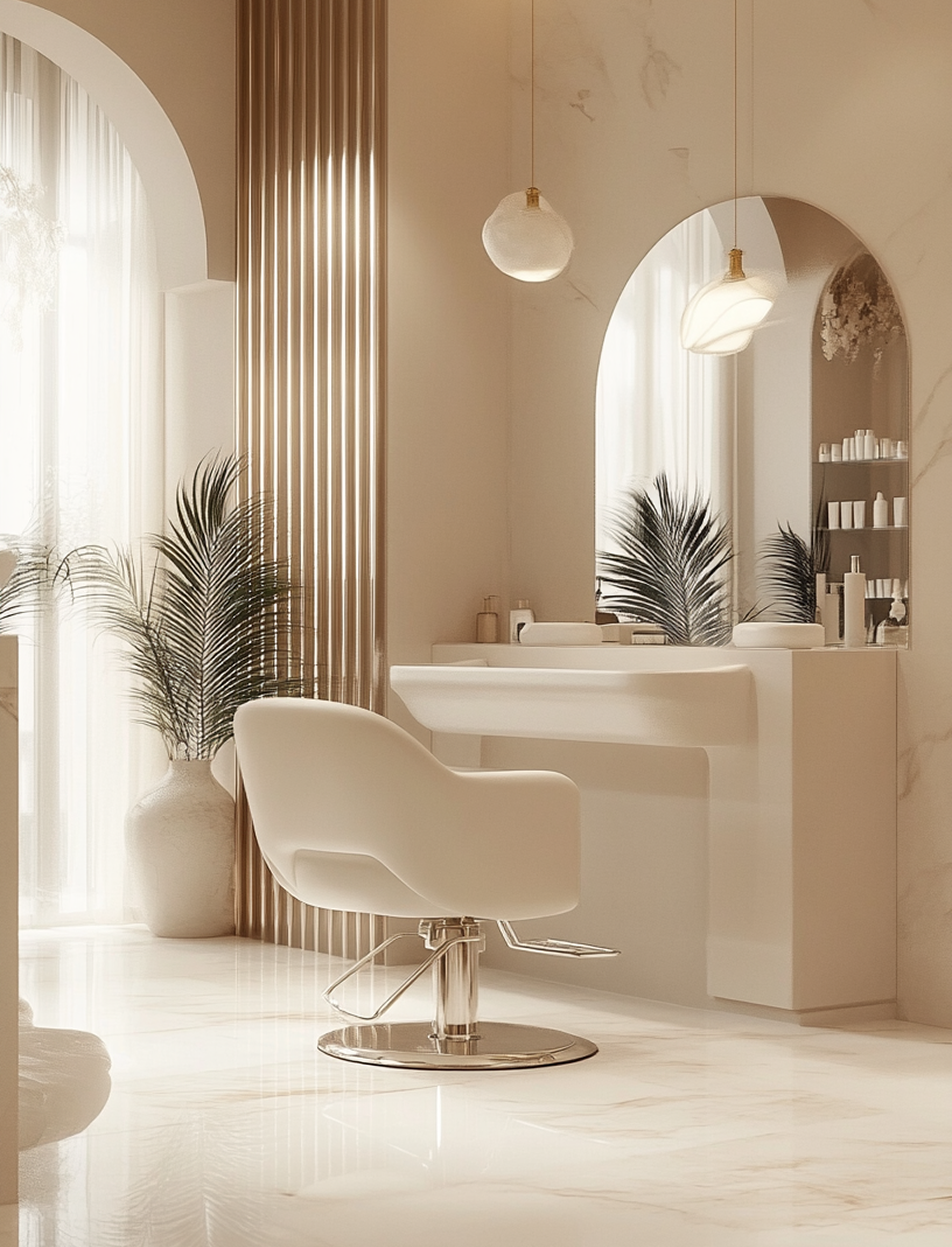
Glow opened as a small, single location studio with one mission: to help people feel confident in their own skin.
2016 /
With a growing client list and team, we expanded our services to offer more personalized treatments and experiences.
2019 /
We opened our second location, bringing our signature vibe and care to a whole new neighborhood.
2025 /
Now with three locations, a loyal community, and a reputation for next-level results, Glow is more than a salon — it’s a movement.
tHIS IS OUR WHY
We’re here to remind you of what’s already there.
We’re not in the business of changing faces — we’re here to reflect back what makes you feel most like you.
Every treatment is a quiet act of care, every appointment a space to breathe, soften, and glow.

1
What we believe
We stand for beauty that feels real and shows real results.
We choose thoughtful over rushed. Intentional over trendy. Real over filtered. We believe in confidence that isn’t loud but is undeniable.
2
What we try to deliver
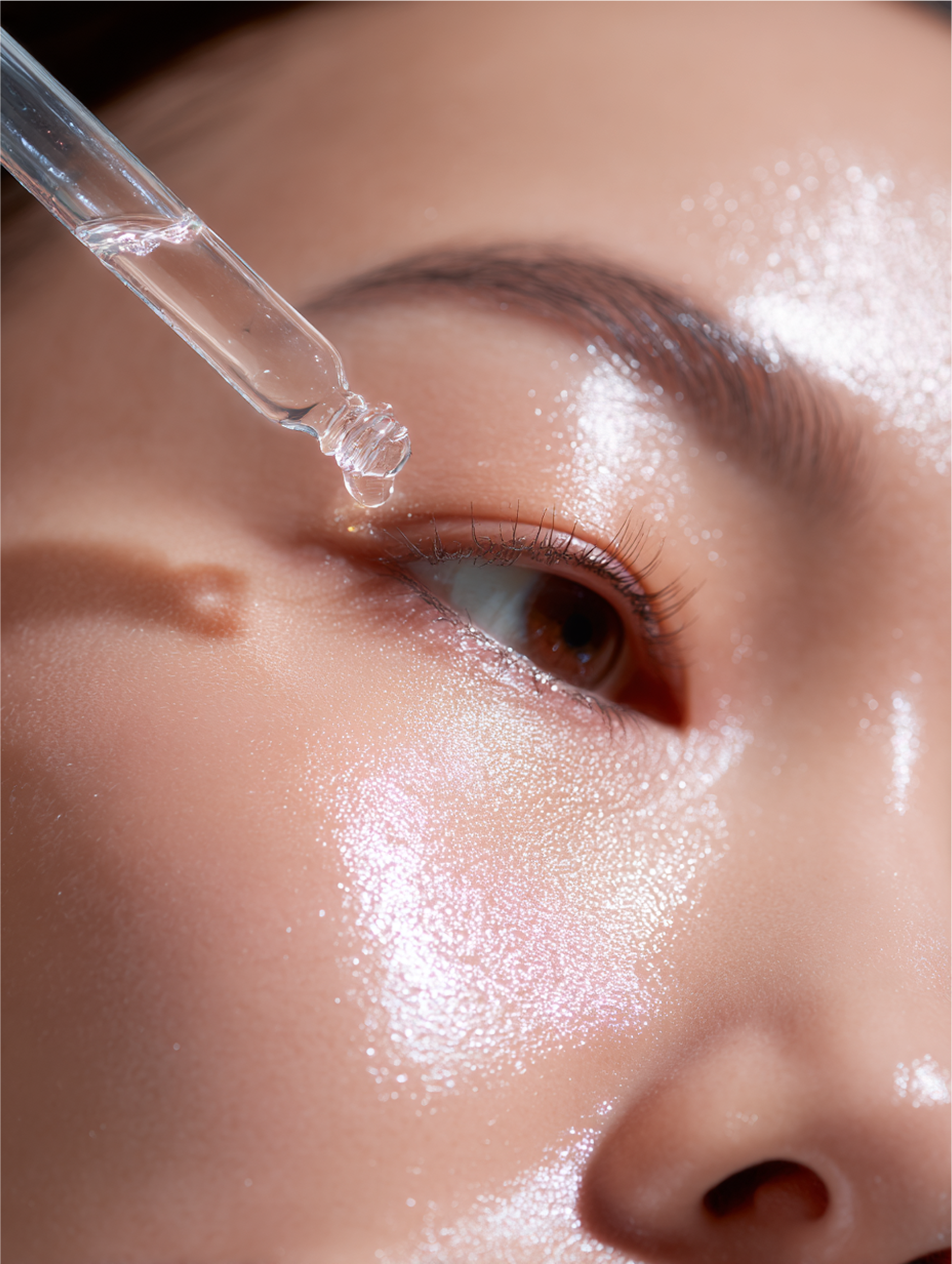
A skin that feels like home, and in a version of beauty that is deeply yours.
We use organic, dermatologically tested products to deliver impactful treatments that are safe and healthy for your body.
tESTIMONIALS
Hear it from our clients

“The vibe, the service, the results — everything at Glow just hits different. I walked out feeling like the best version of myself (and my hair has never looked better). Already booked my next appointment.”
Maya L.

“The space is stunning, the team is beyond talented, and somehow they just get what you’re going for. My lashes? Flawless. My nails? Art. 10/10.”
Jade R.

“From the second you walk in, it feels special. Everyone is so welcoming and professional, and they really take their time to make you feel amazing. I left glowing — inside and out.”
Alex P.